
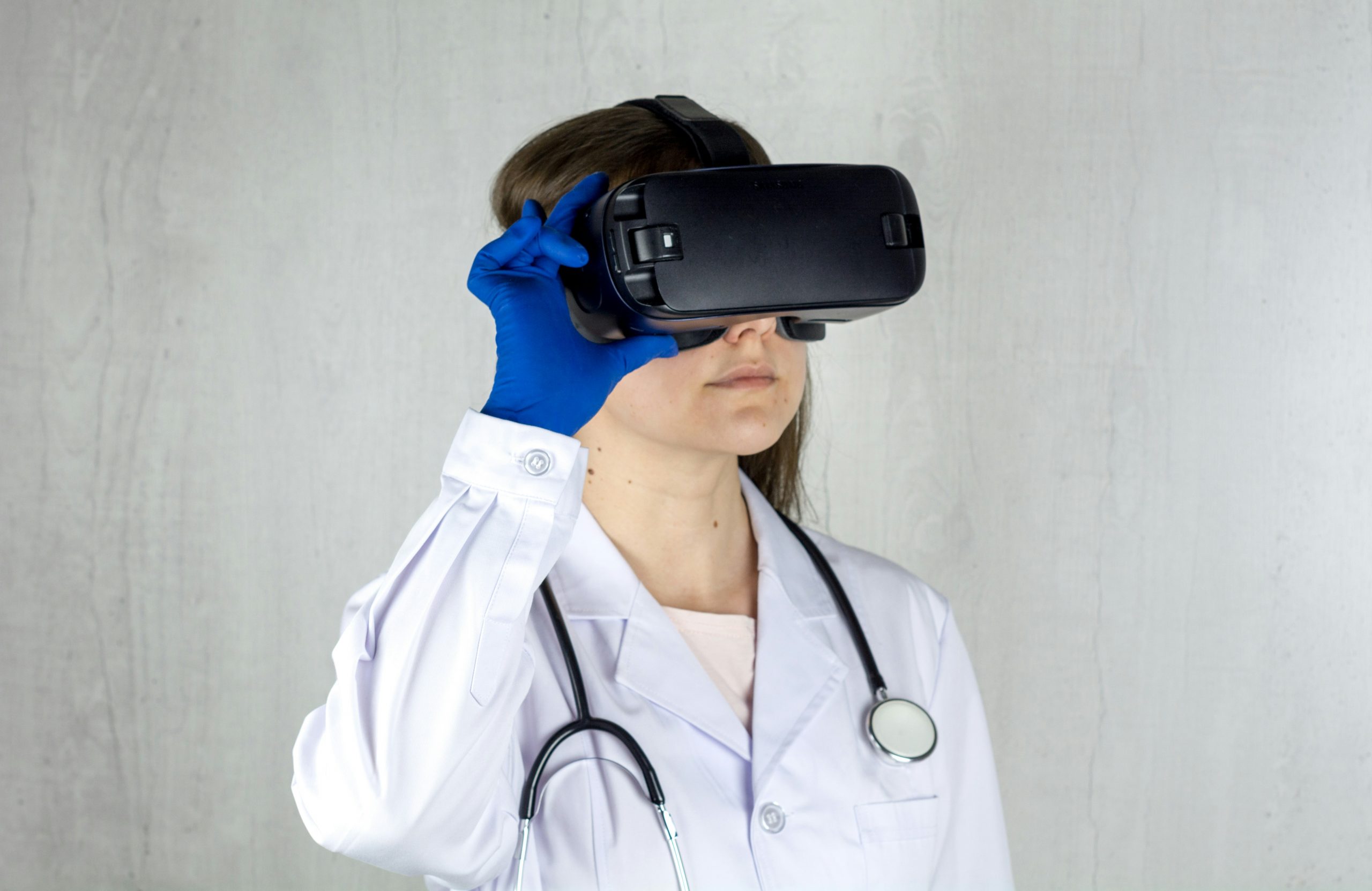
Personalized medicine holds significant promise for the development of economically sustainable and more effective healthcare systems, owing to its capacity to address the specific clinical needs of individual patients. By enabling the administration of more targeted and efficacious therapies, it contributes to improved patient outcomes while minimizing adverse effects on not-target tissues. In this context, the advancements in the design and engineering of multi-functional biomaterials and 3D biomimetic milieus, the current evolution of processing technologies, and the integration of artificial intelligence (AI) and extended reality (XR) tools play a pivotal role in the engineering of patient-specific therapeutic approaches. However, the implementation of personalized therapies opens a critical challenge, namely the identification of appropriate methodologies and testing conditions to demonstrate their safety and superior effectiveness compared to conventional treatments.
In response to these challenges, this course is designed to provide Ph.D. students with the skills necessary to promote the transition from a one-size-fits-all approach to precision medicine. The course will specifically focus on: (i) the design of high performance multifunctional, biomimetic biomaterials; (ii) the application of AI tools to support the engineering of personalized therapies and medical devices; (iii) the use of XR platforms to provide clinicians with immersive, interactive environments for safe training in medical device application and therapy administration; and (iv) the engineering on advanced, patient-specific pre-clinical testing platforms in the form of 3D tissue models and organ-on-chip. Lastly, the course will also include case studies of precision medicine from the clinic.