Overview
The Technological Innovation for Inclusion and Social Applications area explores how advanced technologies can be leveraged to address societal challenges and promote inclusion, accessibility, and well-being.
In this context, technology is seen not only as a driver of efficiency, but as a means to empower individuals, reduce barriers, and create more equitable environments. Through the lens of Virtual-Human Interaction, this research area focuses on designing systems that adapt to diverse users and contexts, enabling broader participation in both digital and physical spaces.
Approach and Technologies
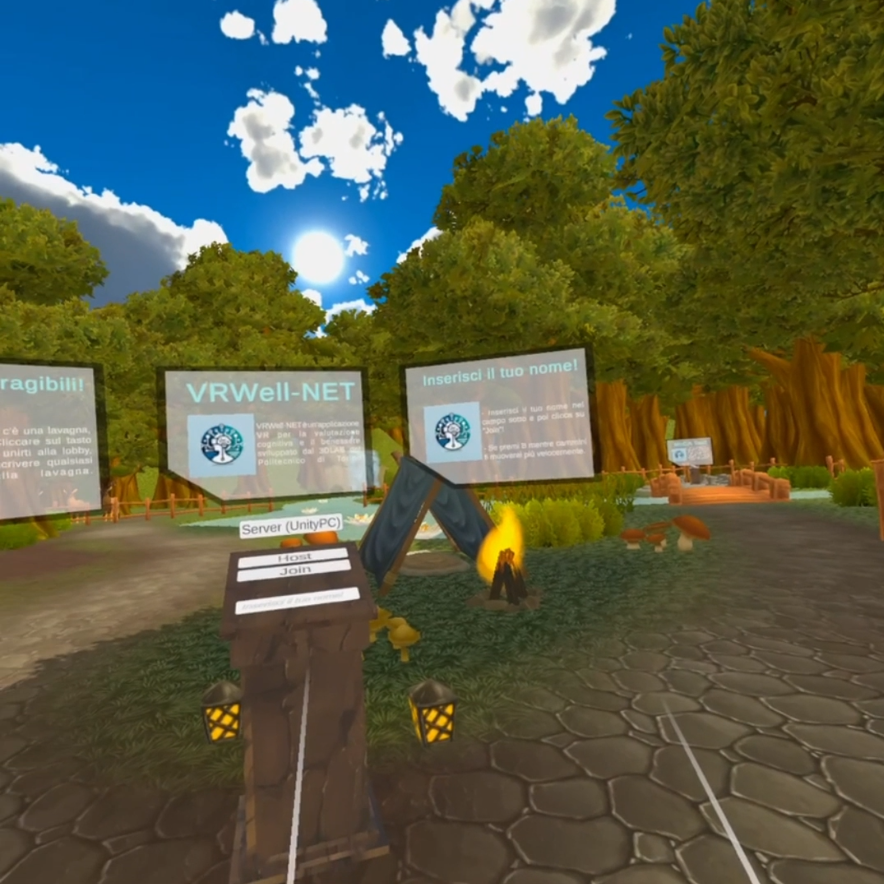
The approach integrates artificial intelligence, computer vision, and immersive technologies to develop assistive and adaptive systems. Gesture recognition, sign language interpretation, and wearable interfaces enable new forms of communication and interaction, while virtual and augmented reality are used to simulate real-world conditions and support training and caring.
A strong emphasis is placed on personalization, ensuring that solutions can be tailored to individual needs and capabilities. This includes adaptive interfaces, context-aware systems, and data-driven approaches that continuously learn from user interaction.
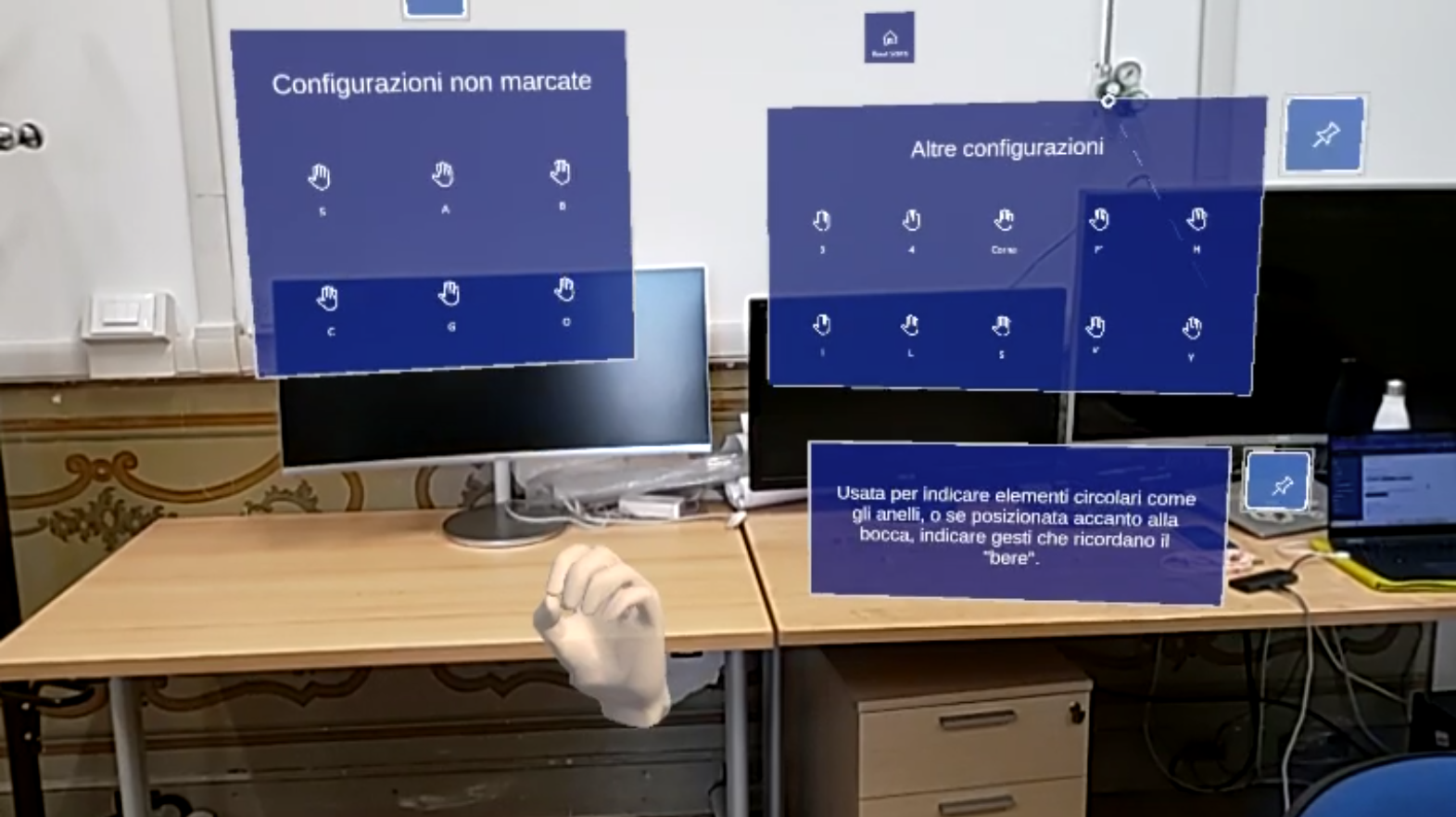
LIS recognition
Applications and Impact
Applications range from rehabilitation and assistive care to inclusive communication platforms and accessible training environments. These solutions support individuals with disabilities, enhance independence, and improve access to services and opportunities.
The impact is deeply societal: fostering inclusion, improving quality of life, and ensuring that technological progress benefits a wide and diverse population. By aligning innovation with social needs, this area reinforces the role of technology as a tool for positive and equitable transformation.