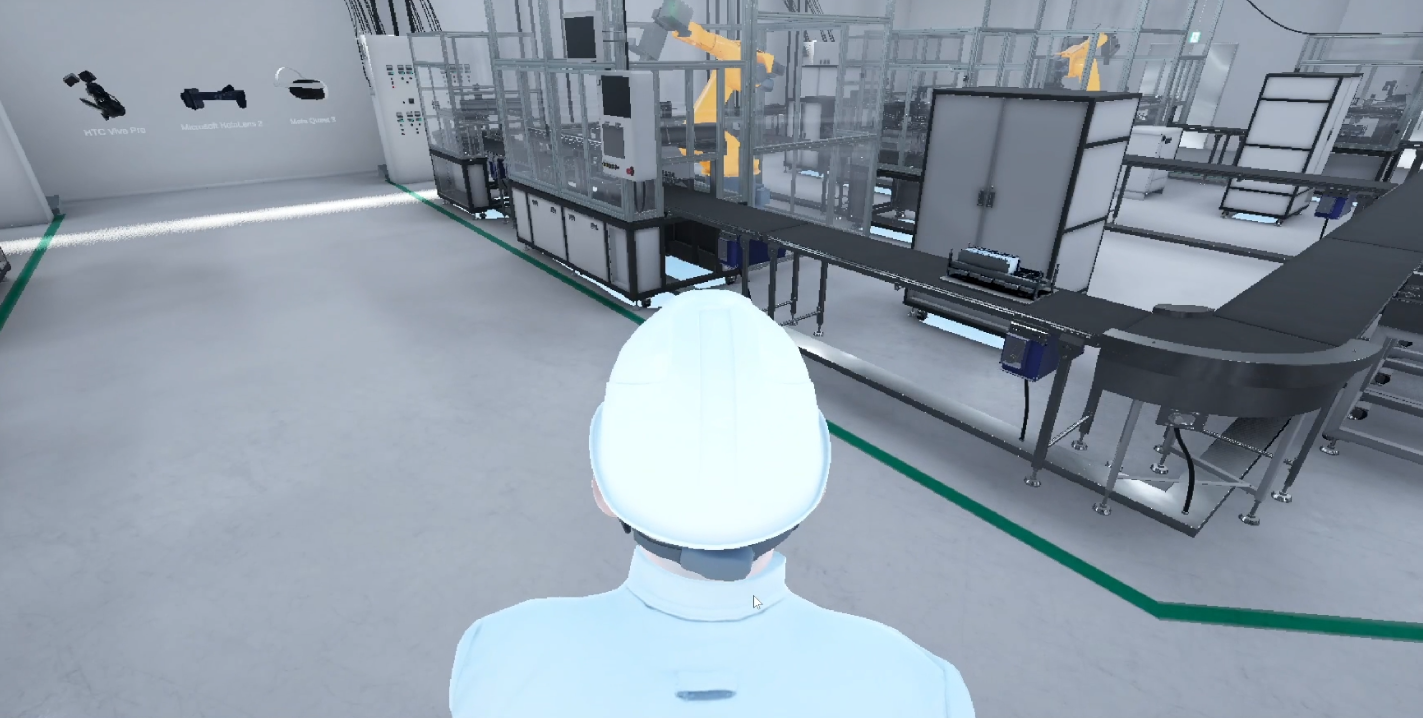
Overview
The Industry 4.0 and 5.0 area addresses the transformation of industrial ecosystems through the integration of intelligent, connected, and interactive technologies. While Industry 4.0 has emphasized automation and data-driven processes, this research direction expands toward Industry 5.0, where the human operator is reintroduced as a central element of the production system.
The aim is to create industrial environments that are not only efficient and optimized, but also collaborative, flexible, and responsive to human input.
Approach and Technologies
Research activities focus on the integration of artificial intelligence and immersive technologies to enhance both operational efficiency and human-machine collaboration. Augmented reality systems provide real-time guidance and contextual information to operators, while advanced tracking solutions ensure precision and reliability in complex tasks.
Digital twins and simulation environments are used to replicate and analyze industrial processes, enabling predictive maintenance, process optimization, and scenario testing. At the same time, particular attention is given to ergonomics and human factors, ensuring that technological innovation enhances worker well-being and performance.
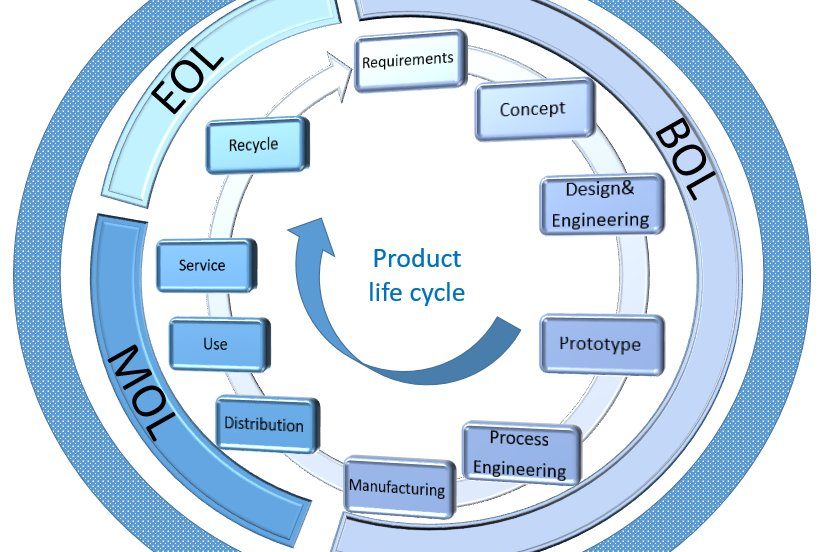
PLM
Applications and Impact
Applications include smart manufacturing, maintenance, and workforce training. These technologies enable more efficient production cycles, reduce errors, and support continuous improvement.
The broader impact lies in the creation of industrial systems that are not only technologically advanced, but also human-centered, capable of combining automation with human expertise to achieve higher levels of productivity, sustainability, and resilience.